
What safety rules apply on a private charter?
When embarking on a private charter, the excitement of open waters and the promise of adventure often take centre stage. However, amidst all the fun and anticipation, it’s important never to lose sight of the main concern: safety.

Whether you're an experienced sailor or a partier looking for ways to stay safe on the water on NYE, adhering to safety rules for charter boats is not just a regulatory requirement but a key aspect of enjoying your voyage to the max.
The importance of safety on a private charter
Before setting sail on your private charter, it's vital to recognise the crucial role safety plays in ensuring a memorable and incident-free experience.
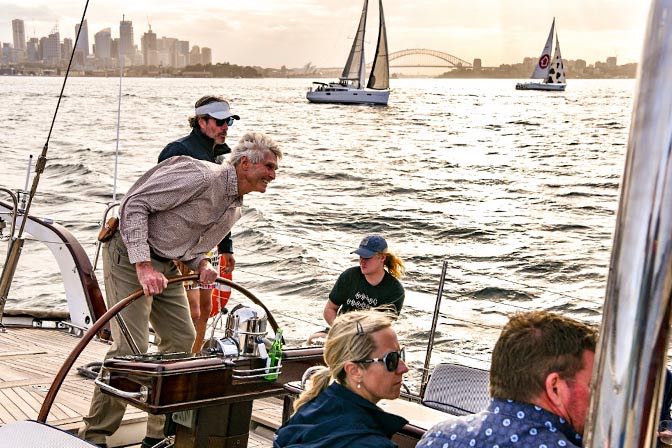
Safety is not just a set of regulations; instead, it’s a mindset that should exist in every aspect of your journey, even if you’re just embarking on a casual Sydney Harbour cruise. Here's why boat rental rules matter when it comes to safety:
- Protect Lives and Property: The safety of everyone on board, including your guests, crew, and the vessel itself, is of key importance. Adhering to private charter safety guidelines reduces the risk of accidents, injuries, and damage to the boat.
- Legal Compliance: Private charters are subject to various local, national, and international regulations that must be followed. Non-compliance can lead to legal consequences and spoil your voyage.
- Peace of Mind: Knowing that you've taken the necessary precautions allows you to relax and fully enjoy your charter without unnecessary worry.
Safety briefings and equipment
Don’t forget that safety begins with awareness. Charter operators should provide thorough safety briefings before departure, covering:
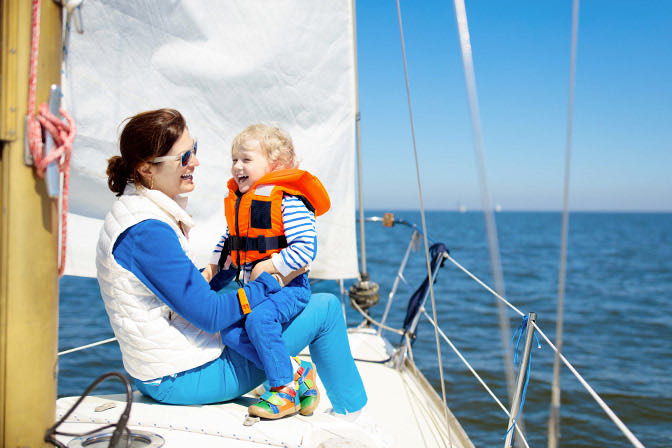
Life Jackets: Ensure that life jackets are available and everyone knows how to wear them properly. They are a non-negotiable safety essential.
Emergency Exits: Familiarise yourself and your guests with the location of emergency exits and evacuation procedures.
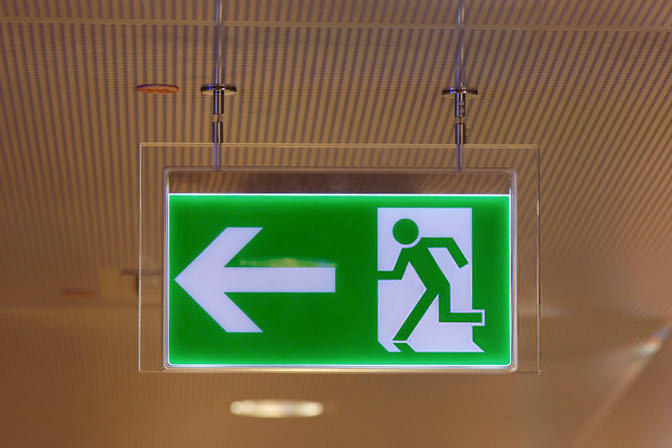
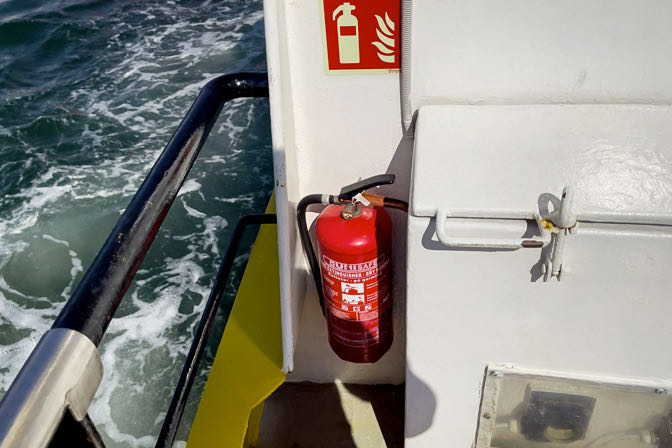
Fire Safety: Understand the boat's fire safety equipment and procedures, including the location of fire extinguishers and how to use them.
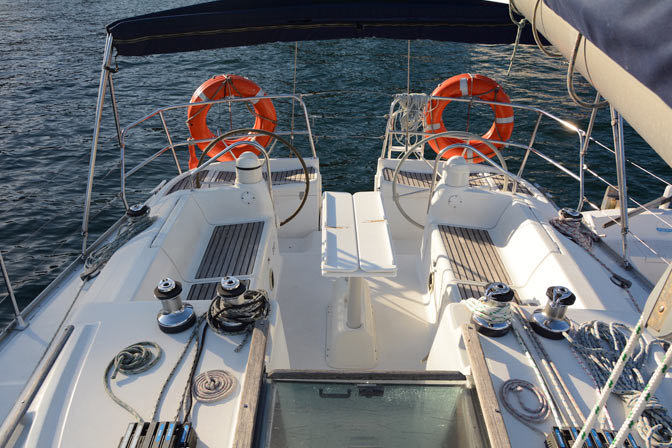
Man Overboard Protocols: Everyone should know how to respond in the event someone falls overboard.
Navigation and rules of the waterways
Navigating waterways safely involves more than just steering a boat. It also includes:
Charts and Navigation Aids: Ensure the vessel is equipped with up-to-date charts, GPS, and other navigation aids.

Right of Way: Understand the rules governing vessel right of way, including overtaking, crossing, and navigating in narrow channels.

Speed Limits: Adhere to posted speed limits and no-wake zones. Excessive speed can be dangerous and cause accidents.

Avoiding Hazards: Stay informed about local hazards such as shallow waters, rocks, and currents.
Responsible alcohol consumption
While enjoying refreshments on board is a common part of the charter experience, responsible alcohol consumption is one of the most essential boat rental rules. This includes ensuring that at least one person on board remains sober and capable of operating the vessel safely and encouraging moderation when consuming alcohol to prevent impaired judgement and coordination that can lead to accidents.
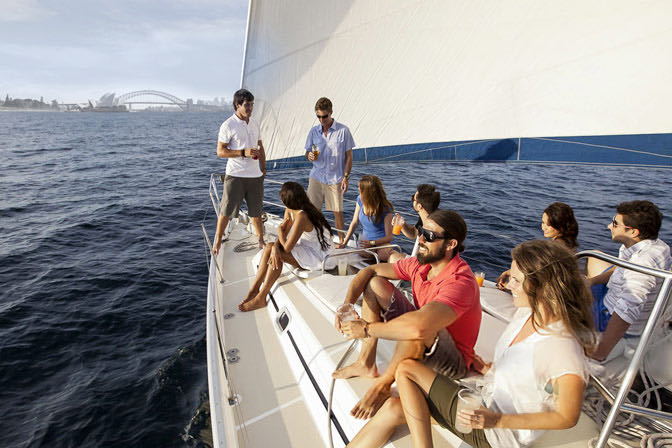
It’s also important to be aware of any local laws and regulations regarding alcohol consumption on the water.
Emergency procedures and communication
Knowing what to do in emergencies can make the difference between a minor incident and a major catastrophe. When considering safety rules for charter boats, you’ll want to keep in mind the following:
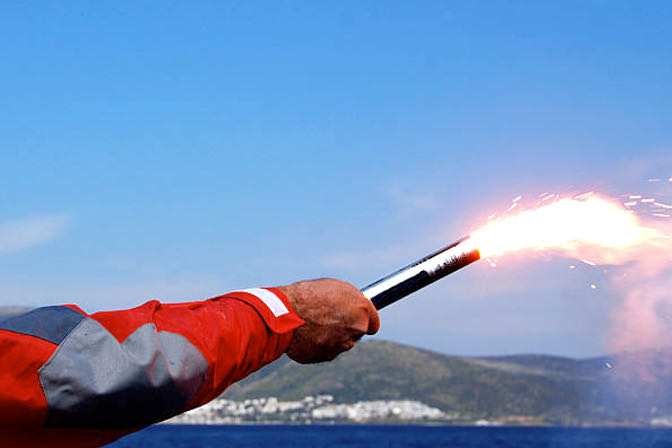
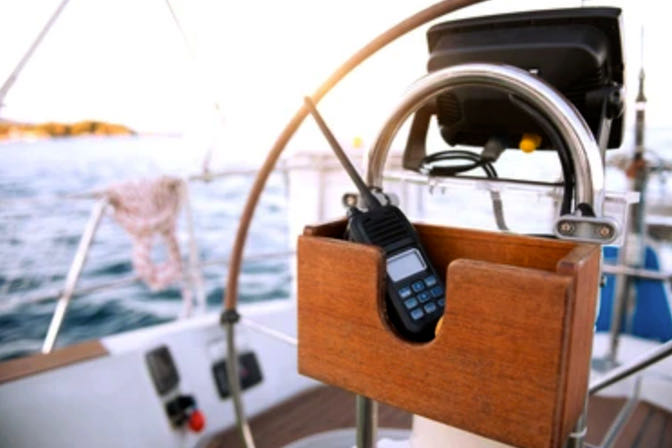
Distress Signals: Familiarise yourself with distress signals, such as flares and radio calls, and have the necessary equipment on board.
Emergency Contacts: Keep a list of emergency contacts and marine authorities in case you need assistance.
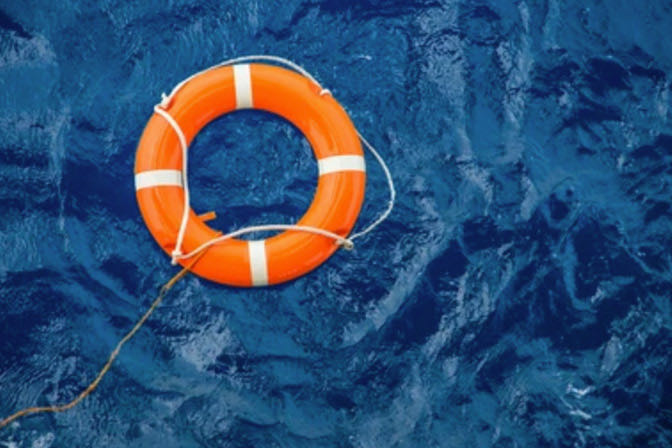
Man Overboard: Have a clear plan and designated person to handle man-overboard situations.
Weather and sea conditions
Weather can change rapidly on the water, making it crucial to stay informed. Before departure, private charter safety guidelines advise you to check the weather forecast and continuously monitor it during your journey. It's essential to avoid heading out in adverse conditions.

Additionally, understanding how to handle rough seas, including securing loose items and ensuring everyone is safely seated, is paramount. Equally important is knowing anchoring techniques to prevent drifting in adverse conditions, increasing the overall safety of your charter experience.
Rent a boat with Any Boat and stay safe on the water
When choosing a charter with Any Boat, you're not just selecting a vessel; you're choosing safety and expertise. Our experienced crew adheres to the highest safety standards, ensuring your voyage is enjoyable and secure. Remember, safety isn't a compromise—it's a commitment that allows you to savour every moment of your private charter with confidence and peace of mind.
Embark on your next adventure by following private charter safety guidelines with Any Boat. Contact us today to find the perfect vessel to suit your preferences and so you can have a safe, fun time on the water.